
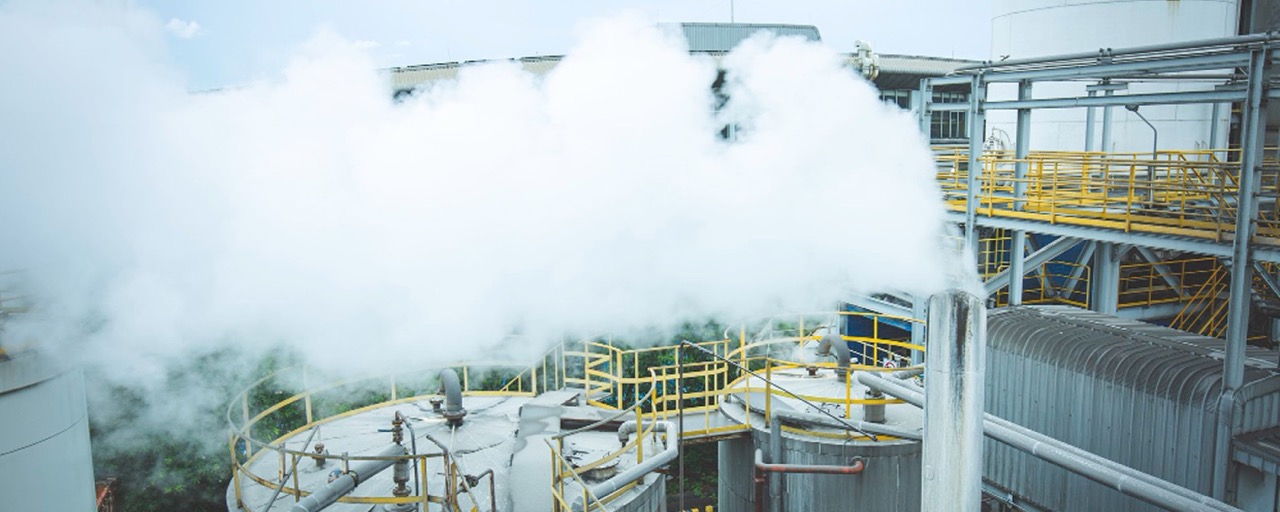
Dust is a common byproduct in many industrial processes, but fine particles can create a serious dust explosion hazard when suspended in the air. Materials such as grain, wood, chemicals, or metal powders may appear harmless until the right conditions allow them to ignite rapidly.
Because dust can accumulate unnoticed and become airborne during normal operations, the risk is often underestimated. In this article, we will explain how these explosions occur and bring you the key dust explosion protection measures facilities use to identify, control, and teach how to choose the right strategies to reduce combustible dust risks.
What is a Dust Fire Explosion? What are the Requirements?
A dust explosion is the rapid combustion of fine combustible particles suspended in the air within a confined or semi-confined space. While many materials burn slowly in solid form, they can become highly reactive when reduced to fine particles and dispersed into the air. Under these conditions, combustion can occur almost instantaneously, producing a rapid expansion of gases and a sudden pressure rise that results in an explosion.
The 2 Stages of Dust Explosion
In many industrial incidents, a dust explosion does not occur as a single isolated event. Instead, it typically develops in two different stages, with the second stage often causing the most severe damage.
The primary explosion usually begins when a dust cloud ignites inside processing equipment such as a conveyor system, mill, silo, or dust collector. Although the initial explosion may be relatively limited in size, it produces a powerful pressure wave that travels throughout the surrounding area.
This pressure wave can disturb layers of accumulated dust that have settled on surfaces such as floors, beams, rafters, and equipment. When this dust becomes airborne, it forms a much larger combustible cloud. If this cloud encounters an ignition source, it can trigger a secondary explosion, which is typically far more destructive than the first.
Secondary explosions are responsible for the majority of injuries, structural damage, and large-scale fires associated with industrial dust incidents. For this reason, controlling dust accumulation within facilities is one of the most critical safety measures in preventing catastrophic events.
Five Requirements for a Dust Explosion
For a dust explosion to occur, five specific conditions must be present simultaneously. These conditions are collectively known as the Explosion Pentagon. If any one of these elements is absent, a dust explosion cannot occur.

1. Fuel (Combustible Dust)
The first requirement is the presence of combustible dust, which consists of finely divided solid particles capable of igniting and burning rapidly when suspended in air.
According to safety standards such as NFPA 652, combustible dust typically refers to particles with a size of 500 microns or smaller that present a flash-fire or explosion hazard. Common combustible dust materials include:
- Agricultural products such as flour, grain dust, and sugar
- Carbon-based materials like coal or charcoal
- Organic materials such as wood dust
- Metal powders, including aluminum and magnesium
Even materials that appear relatively safe in bulk form may become hazardous once they are finely divided.
2. Oxidant (Oxygen)
Combustion requires an oxidizing agent, most commonly oxygen present in the surrounding air. In most industrial environments, the normal atmosphere contains sufficient oxygen to support combustion. However, some highly reactive metal dusts may remain hazardous even in atmospheres typically considered inert, such as those containing nitrogen or carbon dioxide.
3. Ignition Source
An ignition source provides the energy necessary to initiate combustion by raising the dust temperature to its Minimum Ignition Temperature (MIT). Common ignition sources found in industrial environments include:
- Electrical sparks
- Open flames
- Overheated bearings or machinery components
- Mechanical friction
- Static electricity discharge
Because these ignition sources can occur during routine operations, proper equipment maintenance and grounding are essential dust explosion safety practices.
4. Dispersion
Dust must be suspended in the air as a cloud to form an explosive mixture. A layer of dust resting on the floor may present a fire hazard, but it generally becomes an explosion hazard only when it is dispersed into the air at a sufficient concentration. Processes such as material transfer, grinding, conveying, or airflow disturbances can easily disperse dust particles into the air.
5. Confinement
The final requirement is confinement. The dust cloud must be contained within a space where pressure can build. Examples of confined or semi-confined environments include:
- Rooms or enclosed workspaces
- Processing vessels
- Silos and storage bins
- Ductwork systems
When combustion occurs inside these spaces, the rapidly expanding gases cannot escape easily, resulting in a rapid pressure increase that produces the explosive force.
Measurement of Dust Explosion
To evaluate the potential severity of a dust explosion, engineers rely on several technical parameters. These measurements help determine how easily a dust cloud can ignite, how powerful the explosion may become, and how quickly the pressure develops.
Minimum Explosible Concentration (MEC)
The Minimum Explosible Concentration (MEC) refers to the lowest concentration of combustible dust suspended in air that can support an explosion.
When the dust concentration is below this level, there is not enough fuel in the air to sustain combustion. Once the concentration reaches or exceeds the MEC, however, the dust cloud can ignite if an ignition source is present.
As a practical rule of thumb, dust concentrations near the MEC are often dense enough to reduce visibility to roughly 5 to 10 feet (1.5 to 3 meters). This visual indicator helps operators recognize potentially hazardous conditions in processing environments.
KSt and Pmax
Two important parameters used to describe the strength and violence of a dust explosion are Pmax and KSt.
- Pmax represents the maximum pressure that an explosion can generate within a confined vessel. This value indicates the potential structural stress placed on equipment during an explosion.
- KSt, known as the deflagration index, measures how quickly explosion pressure rises. It is essentially an indicator of the explosion’s rate of pressure increase.
Based on KSt values, combustible dusts are classified into hazard classes from St 0 to St 3. These classifications help engineers design appropriate explosion venting, suppression, and containment systems.
- St 0 – No explosion hazard
- St 1 – Weak explosion
- St 2 – Strong explosion
- St 3 – Very strong explosion
Minimum Ignition Energy (MIE)
The Minimum Ignition Energy (MIE) is the smallest amount of spark energy required to ignite a combustible dust cloud. Dusts with very low MIE values are particularly sensitive to ignition sources such as static electricity discharge, electrical sparks, or small mechanical sparks. In these cases, grounding, bonding, and electrostatic control become critical safety measures in industrial facilities.
Why Is Dust Explosion Protection Important?
Dust explosion protection is critical because these incidents can cause severe injuries, major property damage, and costly production downtime. In facilities that handle combustible powders or fine dust, even a small spark or heat source can trigger a dangerous explosion. Without proper safety measures, a single ignition can spread quickly through equipment and surrounding areas, leading to serious damage.
For this reason, facilities must implement a comprehensive dust explosion safety approach. An effective dust explosion protection system combines technical measures, proper equipment, facility design, hazard analysis, and strict operational procedures to reduce risks and maintain safe industrial operations.
Key Strategies for Dust Explosion Protection
Dust explosion protection strategies are typically organized into three core approaches: prevention, mitigation, and isolation.
- Prevention focuses on removing the five required elements we mentioned earlier, such as controlling combustible dust, eliminating ignition sources, and managing static electricity.
- Mitigation measures, including explosion venting and suppression systems, are designed to reduce the pressure and impact if an explosion occurs.
- Isolation systems prevent flames and pressure waves from propagating through ducts or interconnected equipment, limiting the spread of an incident within a facility.
Now, let’s take a closer look at these effective strategies:
Control Combutible Dust
Controlling combustible dust is one of the most effective ways to reduce a dust explosion hazard because it removes the fuel needed for an explosion.
One of the most important tools for dust control is a properly designed dust collector. Dust collection systems capture airborne particles at the point where they are generated, such as during conveying, grinding, or material transfer. By removing dust before it spreads throughout the facility, a dust collector serves as an important explosion protection method by reducing the likelihood of combustible dust clouds forming.
Process equipment should also be properly sealed to prevent fugitive dust from escaping into work areas. Conveyors, bucket elevators, and transfer points are common locations where dust leakage can occur if systems are not adequately enclosed.
In addition to dust collection, regular housekeeping is essential. Dust layers should be removed before they accumulate on equipment, floors, or elevated surfaces such as beams and piping. In many safety guidelines, dust accumulation should not exceed 1/32 inch, which is roughly the thickness of a paperclip.
Vacuum cleaning is the preferred method for removing dust because it prevents particles from becoming airborne again. Facilities should use certified explosion-proof industrial vacuums equipped with conductive hoses to safely handle combustible dust.
Eliminate Ignition Sources
Even when combustible dust is present, an explosion cannot occur without an ignition source. For this reason, facilities must identify and control all potential sources of ignition within the process environment.
Activities such as welding, cutting, or grinding require strict hot work procedures. These tasks should only be performed under controlled conditions with appropriate permits and after combustible dust has been thoroughly removed from the surrounding area.
Electrical equipment used in dusty environments must also meet appropriate hazardous-location ratings. Dust-tight or dust-ignition-proof electrical fixtures help prevent sparks or overheating from igniting dust clouds.
Mechanical equipment must be properly maintained as well. Overheated bearings, misaligned components, or excessive friction can generate enough heat to ignite combustible dust. Regular inspection and maintenance programs help prevent these failures.
Facilities may also install devices such as magnetic separators or metal detectors to remove foreign objects from material streams. These measures help prevent friction sparks that could occur if metal objects enter processing equipment such as mills or grinders.
Control Static Electricity
Static electricity is another common ignition source in dust handling environments. When particles move through pipes, ducts, or processing equipment, they can generate electrostatic charges that may discharge as sparks.
To prevent this, all conductive equipment and components should be properly bonded and grounded. This ensures that electrical charges safely dissipate to the ground rather than accumulating on equipment surfaces.
Facilities should also use static-dissipative materials, including conductive hoses, tools, and flexible connections, to safely release electrostatic charges. In environments where dust is highly sensitive to ignition, grounding paths should be checked regularly to ensure proper conductivity.
Personnel protection may also be necessary in certain situations. Workers operating in hazardous environments may use static-dissipative footwear, flooring, or grounding straps to prevent static buildup.
When handling combustible dust in bulk containers, selecting the correct Flexible Intermediate Bulk Container (FIBC) is critical for controlling static electricity. Different FIBC types provide different levels of electrostatic protection.
- Type C FIBCs (Conductive Bags): Made from conductive materials that safely dissipate static electricity. They must be properly grounded during filling and emptying to prevent charge buildup and potential ignition.
- Type D FIBCs (Static-Dissipative Bags): Designed to dissipate static through low-energy corona discharge, allowing safe operation without grounding. However, they are not suitable for conductive dusts.
- Type A FIBCs (Standard Bags): Made from regular polypropylene with no static protection. They should not be used for combustible dust with MIE below 1000 mJ or in explosive dust environments.
Injecting Inert Gases
Injecting inert gases is a method used to reduce oxygen levels below the concentration required for combustion, effectively removing the oxidant element.
In this approach, gases such as nitrogen or carbon dioxide are introduced into process equipment to prevent ignition and stop flame propagation. These systems must be designed and maintained according to NFPA 69 (Standard on Explosion Prevention Systems).
However, inerting is not suitable for every material. Certain combustible metals, such as magnesium, can still burn in atmospheres normally considered inert. In addition, inert gas systems introduce a potential asphyxiation risk for personnel, so safety procedures and monitoring must be carefully implemented.
Conduct Dust Hazard Analysis (DHA)
A Dust Hazard Analysis (DHA) is a systematic evaluation used to identify potential fire, flash fire, or explosion hazards related to combustible dust in a facility. This analysis examines each part of the process where dust is generated, handled, or stored. Areas are assessed to determine whether they present no hazard, a potential hazard, or a confirmed fire or dust explosion hazard.
According to combustible dust explosion safety standards, the DHA must be conducted by a qualified person with appropriate technical expertise. For existing facilities, the analysis must also be reviewed and updated periodically, typically every five years.
The DHA should document key information such as safe operating limits, existing safeguards, and recommended protection measures, allowing facilities to develop an effective dust explosion prevention strategy.
Explosion Venting and Pressure Relief
Explosion venting is a widely used passive explosion protection method that safely releases pressure during a dust explosion.
In this system, specially designed explosion vent panels act as controlled weak points on equipment such as dust collectors or process vessels. When internal pressure rises during an explosion, the vent panel opens at a predetermined pressure, allowing expanding gases and flames to escape and reducing the pressure inside the vessel.
The design of explosion venting systems is typically based on NFPA 68, which requires detailed calculations using parameters such as equipment volume, vessel strength, and the dust’s explosibility characteristics.
For equipment located indoors, flameless venting devices are often used. These systems contain a flame-quenching element, typically made of multiple layers of metal mesh, which cools the flame and retains dust while allowing pressure to safely dissipate without producing an external fireball.
Explosion Suppression System
An explosion suppression system is an active protection method that detects and stops a dust explosion in its earliest stage. These systems use high-speed pressure sensors to detect the initial pressure rise from a deflagration. Once detected, the control unit immediately activates pressurized suppression canisters, which release a flame-extinguishing agent, commonly sodium bicarbonate, into the vessel. This rapid injection suppresses the flame and prevents further pressure buildup.
Because suppression systems operate in milliseconds and prevent flame release, they are particularly suitable for indoor equipment where traditional explosion venting could endanger workers or nearby machinery.
Explosion suppression systems must be designed according to recognized standards such as EN 14373, and they require regular inspection and testing to ensure sensors and suppressant containers remain operational.
Explosion Isolation and Containment
When an explosion occurs, it is critical to prevent it from spreading to other connected equipment. This is the purpose of explosion isolation systems.
Dust processing systems are often connected by ductwork or pipelines, which can allow flames and pressure waves to travel rapidly between machines. Isolation systems block this propagation and prevent a single explosion from escalating into a facility-wide event. Common isolation methods include:
- Isolation flap valves, which are passive devices installed in ducts. They close automatically when a pressure wave travels upstream.
- Active isolation systems, which use fast-acting valves or chemical barriers triggered by detection sensors.
Another approach is explosion containment, where equipment is designed strong enough to withstand the full pressure generated during an explosion, known as Pmax. This method is typically only practical for small, robust vessels or heavy equipment such as hammer mills, since the required design pressure can range from 8 to 12 bar. Containment designs must be validated through dust explosion testing and engineering verification.
Follow Safety Protocols and Standards
Finally, effective dust explosion protection also depends on following recognized safety standards and regulatory guidelines. Many industrial accidents in the past have highlighted the importance of proper dust safety practices. For example, the Imperial Sugar refinery explosion was largely caused by excessive dust accumulation and poor housekeeping, leading to a devastating series of explosions.
Such incidents emphasize the need for strong safety programs that include regular housekeeping, ignition control, employee training, and emergency response planning to reduce dust explosion hazards.
NFPA 652, known as the Standard on the Fundamentals of Combustible Dust, provides the core framework for identifying and managing combustible dust hazards. It requires facilities to conduct a DHA and review it periodically.
In the United States, the Occupational Safety and Health Administration (OSHA) addresses combustible dust risks through its Combustible Dust National Emphasis Program (NEP) and related workplace safety regulations, including those covering housekeeping and electrical equipment in hazardous locations.
In the European Union, the ATEX Directives (2014/34/EU) regulate equipment and workplaces in explosive atmospheres. ATEX classifies dust-hazard areas into three zones:
- Zone 20: Explosive dust atmosphere is present continuously or for long periods
- Zone 21: Explosive dust atmosphere is likely during normal operation
- Zone 22: Explosive dust atmosphere occurs only occasionally and for short durations
How to Choose the Right Dust Explosion Protection Method
Choosing the right dust explosion protection method requires a clear understanding of the process, the equipment involved, and the characteristics of the combustible dust. This decision should always begin with a Dust Hazard Analysis (DHA), which identifies where combustible dust hazards exist within a facility and evaluates the level of risk. Based on the findings of the DHA, engineers can determine which protection systems are most appropriate. Let’s look at some important factors to consider:
Explosibility Properties
As we mentioned earlier, two important values used to evaluate explosion severity are Kst and Pmax. These values help engineers design dust explosion protection systems. For example, they are used to determine the required vent size for explosion venting systems or the capacity of suppression equipment.
Equipment Size
The size and internal volume of the equipment affect how an explosion develops. Larger vessels can contain more dust and air, which may result in higher pressure during an explosion. Because of this, larger equipment often requires larger vents, more suppression devices, or additional protection systems.
Operating Conditions
Normal operating pressure and temperature should also be considered when selecting a protection method. These conditions influence how dust clouds form and how an explosion might behave during a process upset. Protection systems must therefore be designed to function effectively under the facility’s actual operating conditions.
Reduced Explosion Pressure
When protection systems such as explosion venting are installed, the pressure that develops during an explosion is called the reduced explosion pressure (PRed). The goal is to ensure that PRed stays below the structural strength of the equipment so the vessel does not rupture during an explosion.
Equipment Design
Different types of equipment have different levels of structural strength. Heavy-duty equipment, such as hammer mills, may be strong enough to withstand higher explosion pressures. In contrast, lighter equipment like dust collectors, silos, or process vessels often requires additional protection such as venting or suppression systems.
Equipment Location
The location of equipment also influences the choice of protection method. Traditional explosion venting releases a fireball and pressure wave when activated. While this can be directed safely outdoors, it may pose a risk if the equipment is located inside a building. For indoor equipment, facilities often use flameless venting devices or explosion suppression systems to prevent hazards to workers and nearby equipment.
Cost and Maintenance Considerations
Economic factors also influence the choice of a dust explosion protection system. Explosion venting systems are generally the most cost-effective and require minimal maintenance. As for explosion suppression systems, they offer rapid response but involve higher installation costs and require regular inspection and maintenance. Facilities must balance safety requirements, cost, and long-term maintenance needs when selecting a solution.
FAQs
What is a dust explosion?
A dust explosion is the rapid ignition of fine combustible particles suspended in air within a confined space. When materials such as flour, wood dust, or metal powders become airborne and ignite, they burn extremely fast, releasing heat and pressure that can damage equipment and structures.
What conditions can cause a dust explosion?
A dust explosion occurs when the five elements of the Explosion Pentagon are present: combustible dust, oxygen, an ignition source, dust dispersion in air, and confinement. If any one of these elements is removed, the explosion cannot occur.
How can dust explosions be prevented?
Prevention focuses on controlling dust and ignition sources. Facilities typically use dust collectors, proper ventilation, equipment grounding, and regular housekeeping to prevent dust accumulation and reduce explosion risks.
What is a Dust Hazard Analysis (DHA)?
A Dust Hazard Analysis (DHA) is a systematic assessment used to identify areas where combustible dust may create fire or explosion risks and determine the necessary safety measures.
What dust explosion protection systems are commonly used?
Common protection systems include explosion venting, suppression systems, and explosion isolation devices, which help reduce pressure and prevent explosions from spreading through connected equipment.
Protect Your Facility with Fanno’s Dust Explosion-Proof Filtration Solutions
After reviewing the causes of combustible dust hazards and the key prevention strategies, it becomes clear that effective filtration is one of the most important safeguards against dust explosions. Removing fine particles before they accumulate helps reduce ignition risks, maintain clean airflow, and protect both equipment and personnel in high-risk industrial environments.
To support safer dust control systems, Fanno provides reliable filtration solutions as an experienced manufacturer of industrial dust collector filters. Our filters are built with a Polyethylene (PE) matrix, forming a uniform porous structure that ensures stable airflow, consistent particle capture, and predictable pressure drop.
The PE material also offers excellent chemical resistance, lightweight durability, and cost-efficient operation. Optional antistatic or conductive PE designs further help dissipate static electricity in combustible dust environments.
Contact us today to learn how our industrial dust collector filters can strengthen your dust explosion protection strategy and keep your facility operating safely.